Contact Us
WhatsApp
+65 8012 2467
Email Us
contactus@thopps.com
Contact Us
WhatsApp
+65 8012 2467
Email Us
contactus@thopps.com


Learning Series: Agentic Development: A New Way to Build Software
From writing code to orchestrating intelligence
For years, being a good developer meant one thing:
Write better code.
Cleaner logic. Faster execution. Fewer bugs.
But something subtle is changing.
Today, you can describe a feature… and an AI can generate most of it.
You can explain a bug… and AI can debug it.
So the real question is:
If AI can write the code, what does the developer do?
In traditional development:
Now, in agentic development:
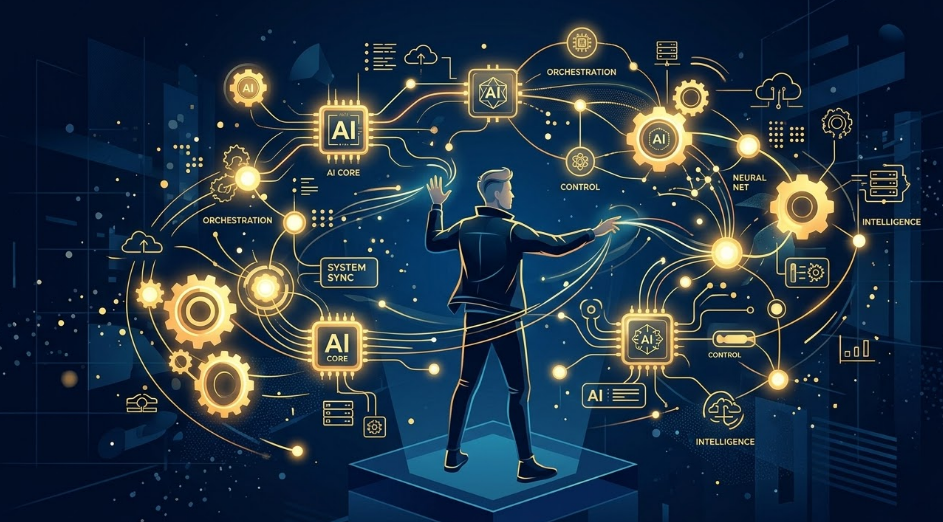
You’re no longer just building —
you’re orchestrating a system of intelligence
Think of it like this:
Let’s say you want to build:
“An AI feature that generates descriptions from images”
Old mindset:
Agentic mindset:
The difference?
You focus on what should happen, not just how to code it
This is where everything changes.
The best developers today are not just great coders —
they are great problem framers
Because AI responds to how you ask.
Bad instruction:
“Generate description”
Better instruction:
“Generate a clear, professional construction observation from this image, keeping it concise and actionable.”
The output quality shifts instantly.
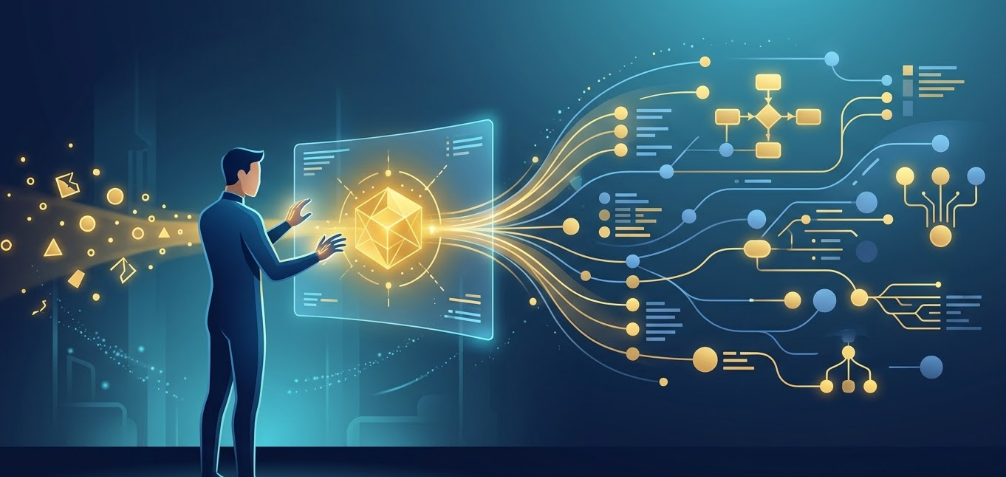
So your skill becomes:
Earlier, you thought like:
function → input → output
Now, you think like:
step 1 → step 2 → refine → validate → return
Example:
That’s not just coding.
That’s designing a workflow of intelligence
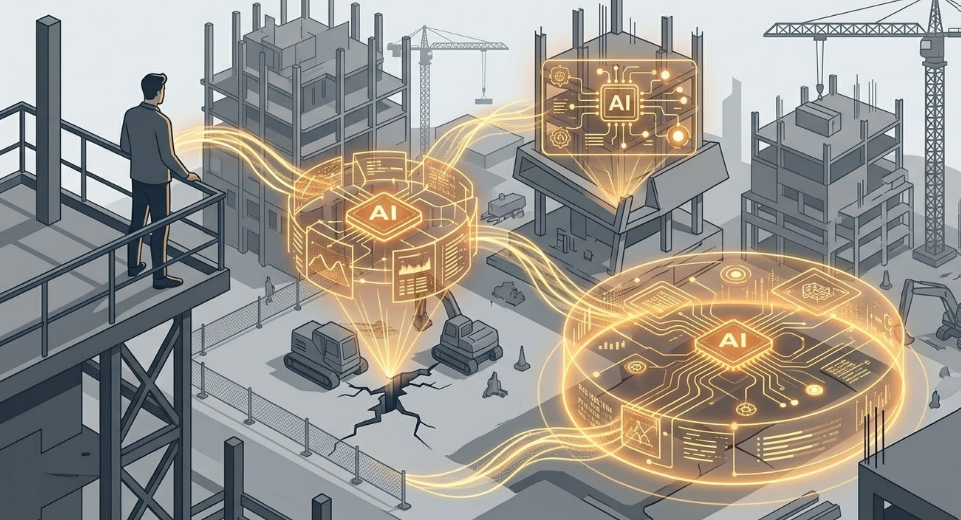
Take your Observation feature:
A user uploads an image of a wall crack.
Old approach:
Agentic approach:
And the developer?
You designed that flow — not every line of logic
Agentic development doesn’t mean:
❌ “Let AI do everything”
It means:
✔ Guide
✔ Validate
✔ Improve
Because AI can:
So your role becomes the one who ensures correctness and relevance
To think like an agentic developer, you need:
Not less thinking — more structured thinking

We are moving toward a world where:
And developers?
Become the ones who design how intelligence is used
In the next blog, we’ll explore how to actually build your first agentic feature step-by-step, turning ideas into working AI-powered functionality.