Contact Us
WhatsApp
+65 8012 2467
Email Us
contactus@thopps.com
Contact Us
WhatsApp
+65 8012 2467
Email Us
contactus@thopps.com

Learning Series: Agentic Development: A New Way to Build Software
When your software starts doing the thinking for you
Imagine this.
You’re on site. You click a photo of an issue — maybe a crack in a wall, maybe exposed wiring. You know something’s wrong, but putting it into a clean, professional observation takes time. You either rush it or skip details.
Now imagine uploading that image… and the system writes it for you.
Or you type something rough like “wire exposed near panel” and it turns into a proper report.
You didn’t give detailed instructions.
You didn’t tweak a prompt.
It just… figured out what to do.
That’s not just AI. That’s an agentic feature.
Most people build AI features like this:
Input → Model → Output
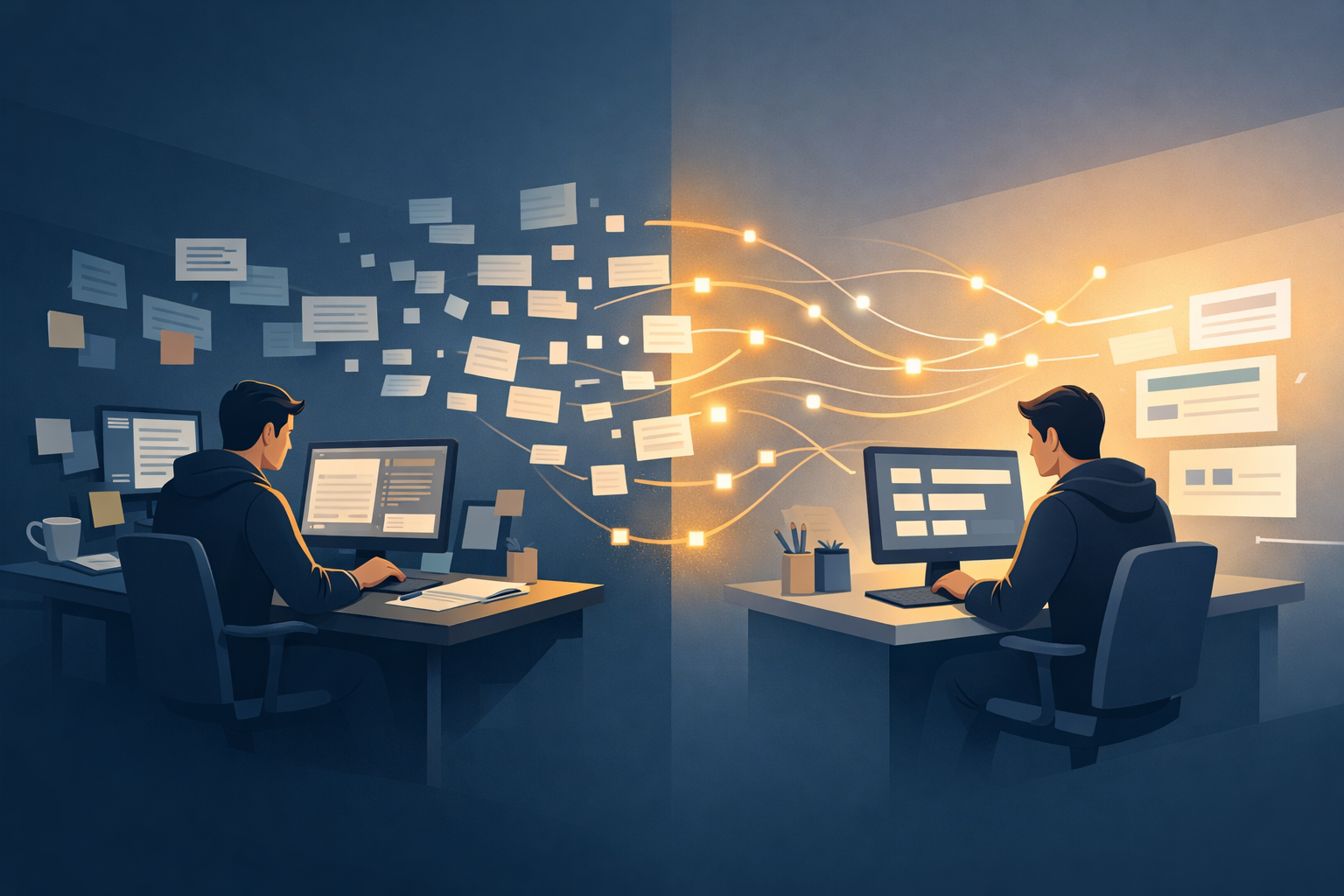
But real systems add something in between: decision-making.
Take that same example:
This logic isn’t handled by AI.
It’s handled by your system.
And that’s the difference.
You’re no longer asking AI what to do.
You’re telling it how to behave based on context.
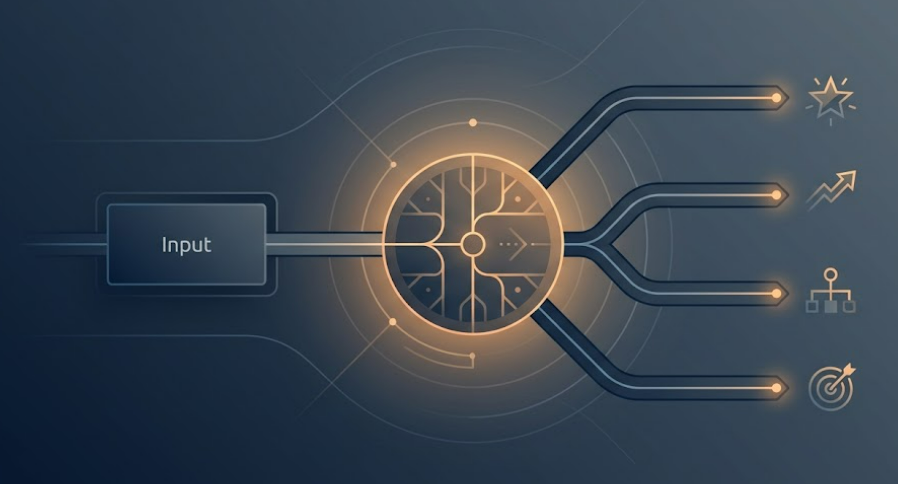
To the user, it’s just:
“Write with AI”
But under the hood, it looks like this:
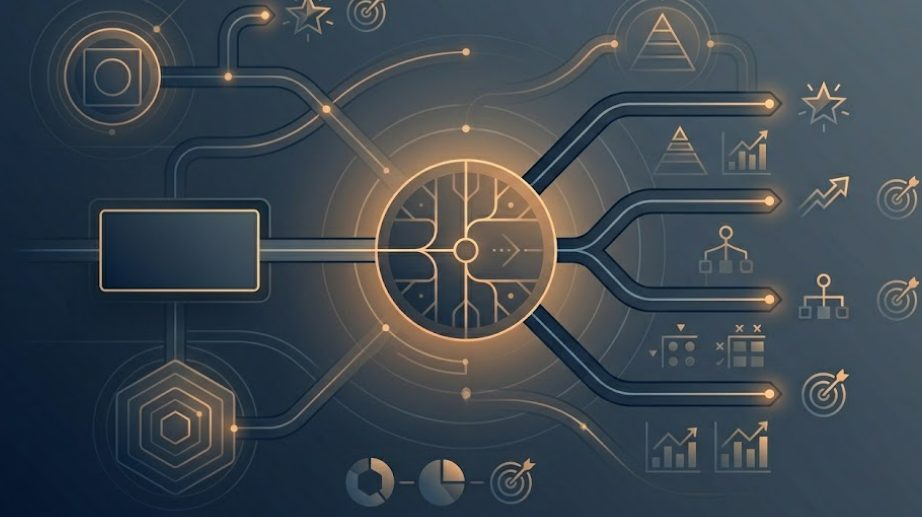
Input → Decision → Context → Model → Validation → Output
Each step matters.
The system first understands what the user gave.
Then it decides the task.
Then it calls the model with a clear instruction.
Then it checks if the result is usable.
What feels like magic is actually a well-structured workflow.
Here’s what changes everything.
Instead of writing:
“Describe this image”
You define:
Generate a professional observation using only visible details.
Do not assume anything. Keep it concise.
Now the AI isn’t guessing.
It’s operating inside a controlled role.
That’s where consistency comes from.
They stop at the model.
But the real work is:
Without that, even a powerful model feels unreliable.
With it, even a simple setup feels intelligent.
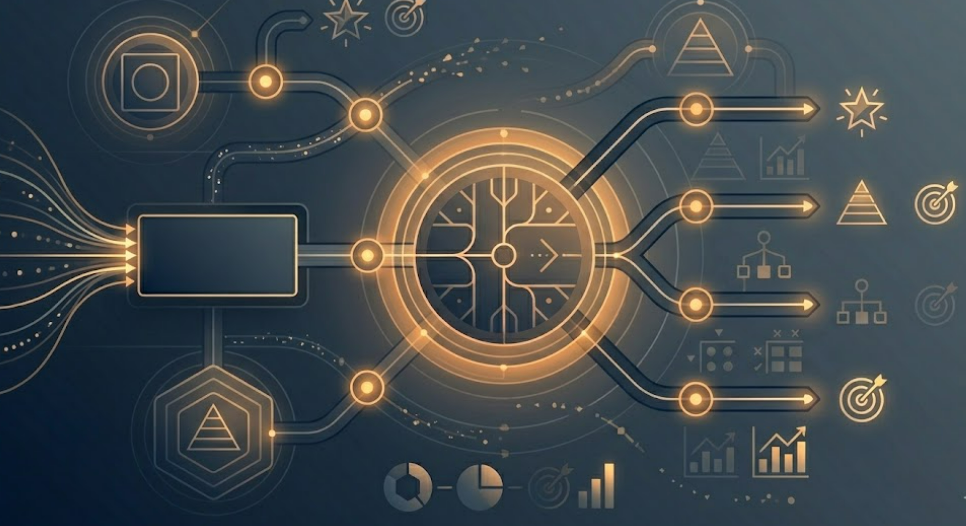
Because once you build one feature like this, you start seeing the pattern everywhere.
All of these follow the same idea:
understand → decide → act
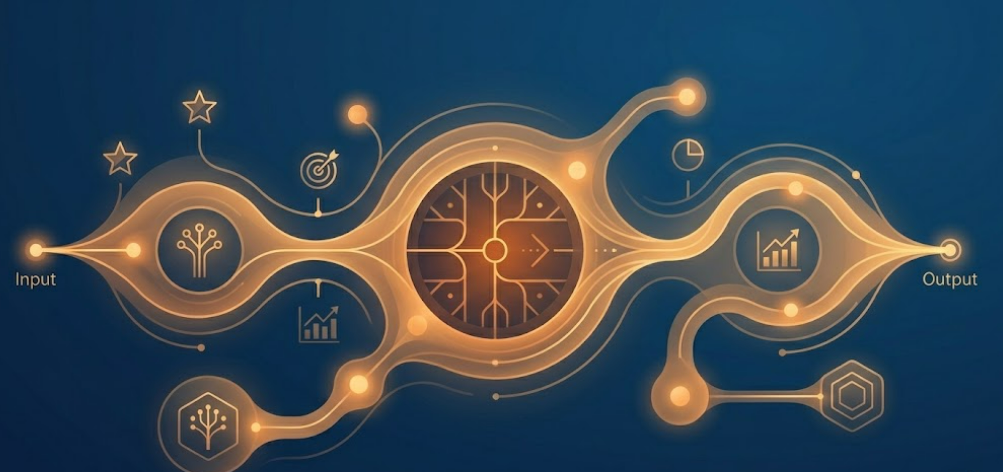
Your first agentic feature won’t look huge.
It might just be one button.
One workflow.
One small improvement.
But it marks a shift.
From software that waits for instructions…
to software that interprets and helps you move forward.
And once you build that, you’re not just using AI anymore.
You’re designing systems that think in steps.
But what happens when your system doesn’t just decide once, but keeps learning and improving? That’s what we’ll explore next.